Two products dominate the paint protection conversation: paint protection film (PPF) and ceramic coating. They're often pitched as competitors, but they actually do different jobs. Here's what each one is, what it isn't, and which combo we recommend for Rochester roads.
What Is Paint Protection Film?
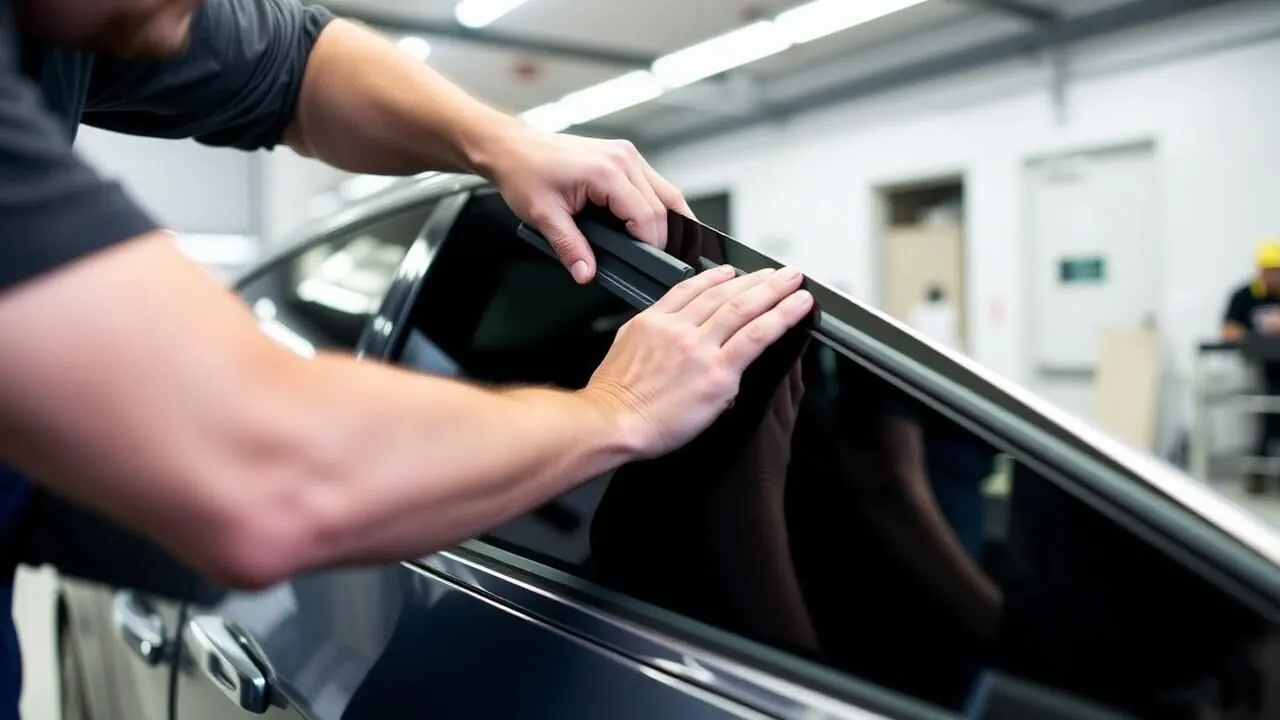
PPF is a clear, urethane film applied directly to your paint. Think of it as a thick, self-healing skin that physically blocks rocks, salt, road debris, bug acid, and minor scratches from ever touching the paint underneath.
Strengths
- Stops rock chips and small impact damage
- Self-heals light swirls with heat (sun or warm water)
- Lasts 7–10+ years
- Preserves resale value by keeping factory paint untouched
What Is Ceramic Coating?
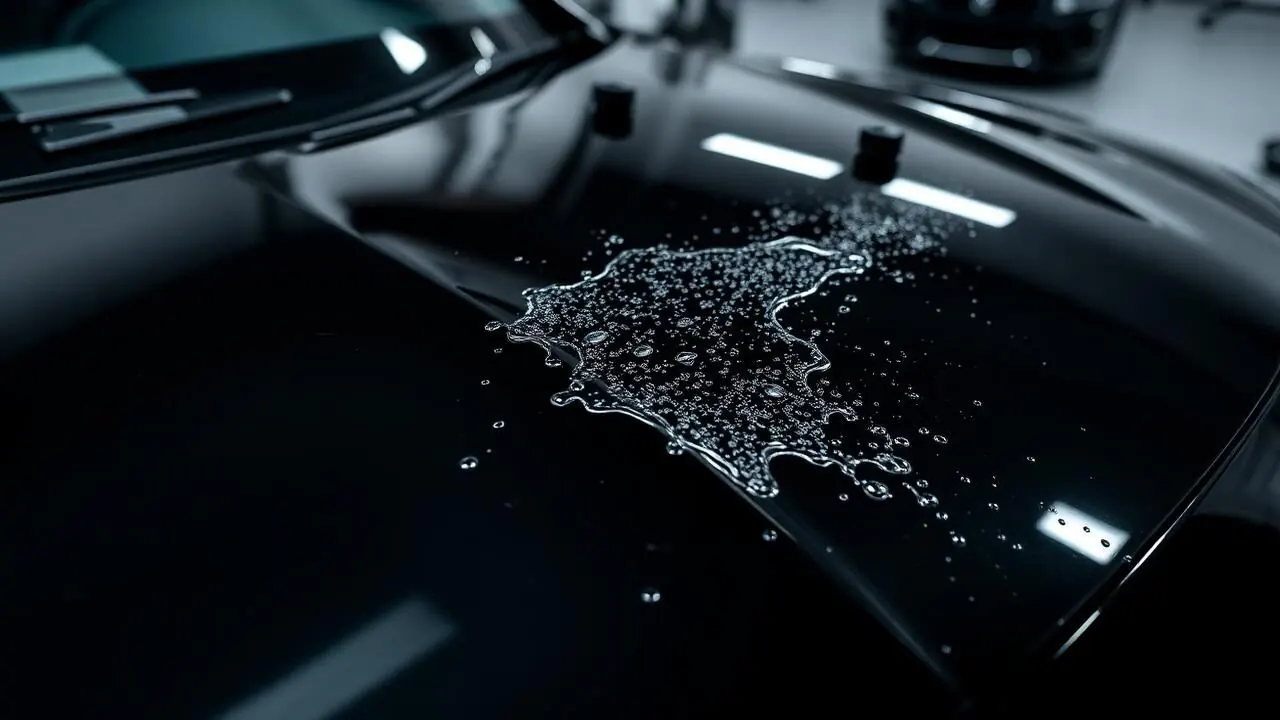
Ceramic coating is a liquid polymer that bonds to the paint, creating a hard, hydrophobic layer. It makes the surface easier to clean and adds gloss, but it's microns thick — it can't stop a rock.
Strengths
- Massive water and dirt repellency (easier washing)
- Deep, glossy finish
- Protection from light contaminants, bug guts, bird droppings
- UV resistance to slow oxidation
Where Each One Wins
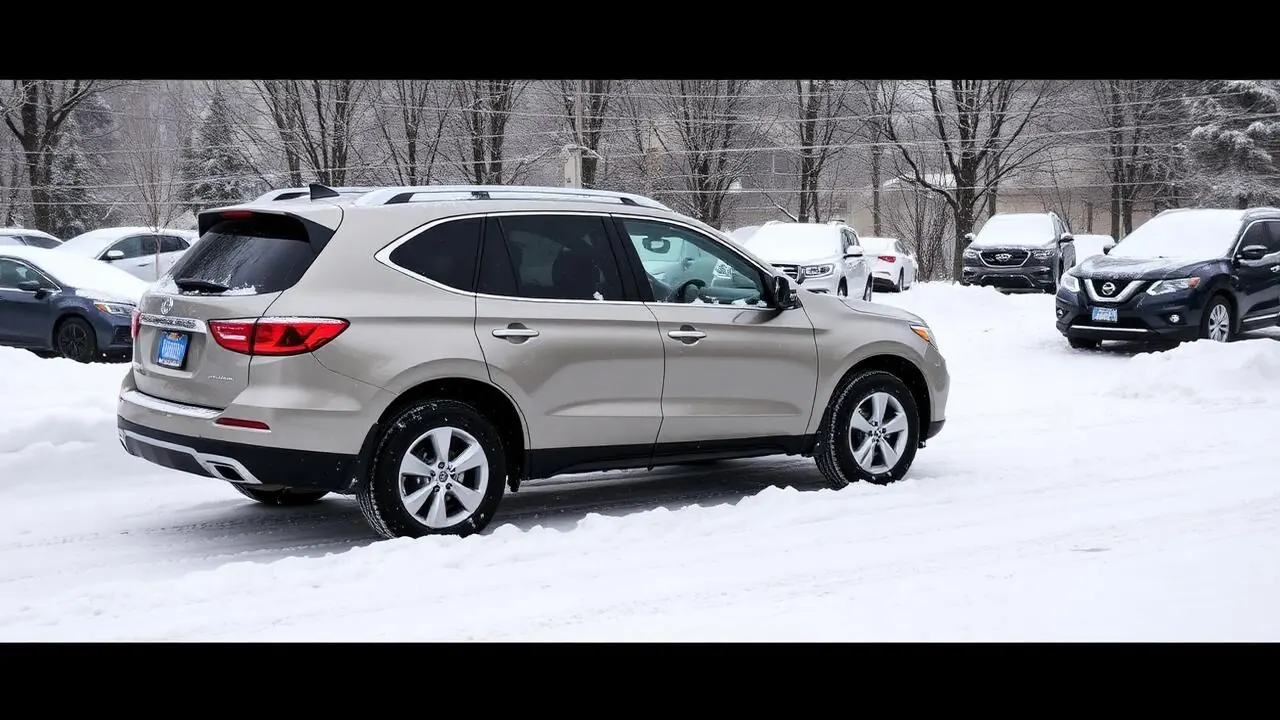
PPF wins on physical protection — front bumper, hood, fenders, mirrors, and rocker panels are constantly bombarded by debris from Rochester's salted, gravel-strewn winter roads. Ceramic wins on chemical protection and easy maintenance over the entire vehicle.
The Best Setup: Both
Most enthusiasts and high-mileage commuters end up with PPF on the high-impact panels and ceramic coating layered over the entire vehicle. PPF stops the chips, ceramic keeps everything clean and glossy. Together, they make your paint nearly bulletproof.
Get a Custom Quote
We'll walk you through partial-front, full-front, or full-vehicle PPF coverage and pair it with the right ceramic option for how you actually use your car. Stop by our Rochester shop or grab a quote online.